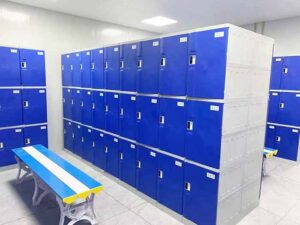
Are Plastic Lockers the Best Choice for Aquatic Centers and Water Parks?
When designing storage for aquatic centers, swimming pools, and water parks, locker selection matters more than most facility managers expect. Wet and humid environments destroy traditional metal storage—rust, corrosion, and constant maintenance become the norm. The question is straightforward: Are plastic lockers the better choice?
Why Aquatic Environments Destroy Traditional Lockers
Swimming pools maintain 60-80% relative humidity year-round. Outdoor facilities face even more moisture from splashing swimmers and weather. This creates a hostile environment for storage equipment:
Moisture damage:
- Steel lockers develop rust within 12-18 months
- Powder-coated finishes chip and peel from constant exposure
- Lock mechanisms seize up from corrosion
- Interior surfaces develop mold and mildew
Chemical exposure: Pool water contains chlorine or bromine that evaporates into the air, creating a corrosive atmosphere. This accelerates rust on steel, causes wood to warp, and makes painted surfaces peel.
Heavy usage: Peak hours can involve 200+ locker interactions per day. Wet towels and swimsuits add stress to shelves, and users often slam doors and overload compartments.
How ABS Plastic Solves the Waterproof Problem
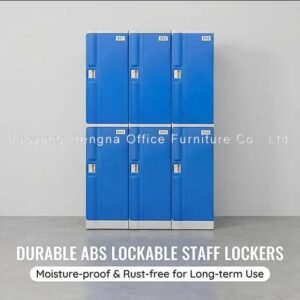
ABS (Acrylonitrile Butadiene Styrene) plastic lockers are manufactured through injection molding, creating a joint-free, non-porous surface. This eliminates the joints and seams where water penetrates in steel lockers.

Key waterproof features:
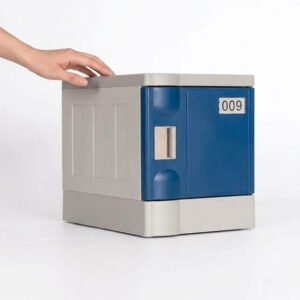
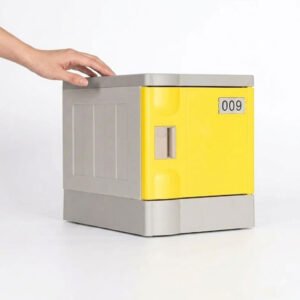
- Solid construction with no hollow spaces for water accumulation
- Integrated drainage channels in many models
- Sealed doors and frames that prevent water ingress
- Non-absorbent material that doesn’t wick moisture
A water park in Orlando installed ABS plastic lockers in 2020. After four years of continuous operation: zero rust or corrosion, no lock failures from moisture, colors remained vibrant, and cleaning time dropped 70% compared to their previous steel lockers.
Rust-Proof Performance and Real Maintenance Savings
Rust isn’t just cosmetic—it creates safety hazards, harbors bacteria, and triggers user complaints. Steel lockers in pool environments typically last 3-5 years before needing replacement.
Annual maintenance comparison:
| Maintenance Task | Steel Lockers | ABS Plastic Lockers |
|---|---|---|
| Rust treatment | 4-6 hours per 100 lockers | 0 hours |
| Lock replacements | 10-15% of locks | <1% of locks |
| Deep cleaning | 8-10 hours | 2-3 hours |
| Paint touch-ups | 6-8 hours | 0 hours |
| Door adjustments | 4-6 hours | 1-2 hours |
| Total | 22-30 hours | 3-5 hours |
A mid-size aquatic center with 200 lockers reported cutting its annual locker maintenance costs dramatically after switching from steel to ABS plastic.
Security and User Experience
Lockable waterproof lockers provide security and peace of mind for guests. Common lock options include:
- Padlock hasps: Most economical, guests bring their own locks
- Built-in combination locks: No keys to lose in the pool, guests set their own codes
- RFID wristband systems: Integration with access control, premium experience
- Coin-operated locks: Revenue generation, popular in European markets
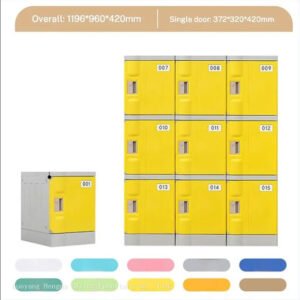
Design features that improve user experience: large embossed numbers (not painted, which wears off), ventilation slots for drying wet items, smooth rounded edges for barefoot areas, and color-coded sections for easy navigation.
UV and Weather Resistance for Outdoor Facilities
Outdoor aquatic spaces need lockers that withstand sunlight and changing weather. UV-resistant ABS plastic lockers handle sun exposure without fading or cracking. Quality outdoor-rated ABS lockers maintain 90%+ of their original strength and color after 10 years of continuous UV exposure in tropical climates.
Coastal environments add salt spray and sand abrasion to the challenge. A beach resort in Phuket installed ABS lockers 50 meters from the ocean in 2019. After five years: zero corrosion, minimal surface wear, all locks functioning properly.
Hygiene Advantages
Cleanliness is critical in swimming facilities. ABS plastic’s non-porous surface prevents bacterial colonization, mold growth, odor absorption, and stain penetration. Facilities report 60-70% reduction in cleaning time compared to steel lockers.
Cleaning protocol:
- Daily: Wipe surfaces with diluted disinfectant, focus on handles and locks
- Weekly: Stronger disinfectant, clean ventilation slots, inspect for damage
- Monthly: Deep clean interiors, lubricate hinges if needed, verify door alignment
ABS plastic lockers help facilities pass health inspections with zero locker-related violations and meet hygiene standards for public swimming pools.
Where Plastic Lockers Work Best
Water parks: Hundreds of guests per hour, constant moisture, heavy use. ABS handles all of it without degradation.
Spa and wellness clubs: Premium aesthetics, quiet operation, upscale feel. Available in premium colors with soft-close hinge options.
Beach resorts: Outdoor conditions, salt air, guest turnover. Custom colors and branding options available.
Fitness centers with pools: Both dry and wet areas need consistent locker systems. ABS works throughout.
Community recreation centers: Budget-friendly lifecycle costs, withstands heavy public use, minimal staff time for maintenance.
10-Year Cost Comparison
Steel lockers in aquatic environments need rust treatment, lock replacements, repainting, and hinge repairs year after year—and most are replaced within 5-7 years anyway. ABS lockers need only routine cleaning and occasional lock replacement.
Result: Roughly 60-65% lower total cost over 10 years per unit, with break-even reached within 2-3 years. A mid-size aquatic center with 200 lockers reported cutting its annual locker maintenance costs dramatically after switching from steel to ABS.
Installation Tips

Proper installation ensures optimal performance and longevity. Get these basics right:
- Floor preparation: Level surface for proper door alignment. Floor should slope toward drains to prevent water accumulation.
- Elevation: Install on raised platforms or feet (minimum 50mm) to keep bases dry and allow cleaning underneath.
- Anchoring: Secure top of locker banks to wall studs and bolt bases to floor to prevent tipping when multiple doors are open.
- Spacing: Allow 150-200mm between locker banks for air circulation. Avoid installing in corners with poor airflow.
- HVAC integration: Position lockers to benefit from the facility’s air handling system, not in dead zones.
Good installation reduces maintenance needs and extends locker lifespan significantly.
Bottom Line
Plastic lockers—especially ABS plastic—are the clear winner for aquatic facilities. They deliver zero rust or corrosion, 70% less maintenance time, 60%+ savings in total cost of ownership, and a 15-20+ year lifespan versus 3-5 years for steel in pool environments.
The question isn’t whether plastic lockers are suitable for aquatic environments—it’s whether you can afford not to choose them.
What to look for when buying:
- Proven track record in aquatic installations (ask for references from similar facilities)
- UV-resistant formulations for outdoor use (not all ABS is created equal)
- Comprehensive warranty coverage (5+ years on structure and finish)
- Customization options: colors, lock types, compartment configurations
- Installation support and technical documentation
- Delivery timelines that match your project schedule
Common mistakes to avoid:
- Buying on price alone: cheaper lockers may use lower-grade ABS that yellows or becomes brittle
- Ignoring ventilation in the layout: even waterproof lockers need airflow to dry items inside
- Skipping floor anchoring: unsecured lockers can tip when multiple doors are open
- Forgetting ADA compliance: ensure locker heights and access meet accessibility requirements
With the right locker solution in place, your aquatic facility provides secure, hygienic, and durable storage that serves guests well for decades.