Why Do Gym Lockers Smell? Poor Ventilation, Humidity, and What Actually Fixes It
Walk into a gym locker room at 7 p.m. on a weekday and you know the smell. It is not just sweat. It is a mix of stale air, damp fabric, mildew, and something metallic underneath ??the smell of rust forming in a dark enclosed space. Gym owners and facility managers fight this smell with air fresheners, ozone machines, and extra cleaning shifts. But the smell keeps coming back. The reason is simpler than most people realize: the lockers themselves are part of the problem.
It Is Not Just Sweat ??the Real Source of Locker Room Odor
Sweat itself is mostly water and salt. Fresh sweat has very little odor. The smell we associate with gym locker rooms comes from bacteria breaking down sweat, skin oils, and organic residue on clothing ??a process that requires three things: moisture, warmth, and a surface for bacteria to grow on. A sealed steel locker provides all three in abundance.
Here is the sequence: A member finishes a workout, puts damp gym clothes into their locker, and closes the door. Inside that sealed steel box, the temperature is warm from the ambient room air. The relative humidity climbs above 90 percent within 30 minutes. Bacteria on the clothing multiply. By the time the member returns the next day, the locker interior smells ??and the smell has begun to absorb into the paint and into any rust spots on the locker surfaces.
4 Reasons Gym Lockers Develop That Persistent Smell
- Zero ventilation inside sealed steel lockers. Most steel gym lockers have no vents. The door seals against the frame. Once closed, the interior is a sealed humidity chamber. Moisture from damp gym clothes has no exit path. The humidity inside can stay above 80 percent for 12 hours or more ??ideal conditions for bacteria and mildew.
- Rust is porous and absorbs odors. Even light surface rust on the inside of a steel locker creates a microscopically rough surface. Bacteria and odor molecules embed in that roughness. Cleaning wipes cannot reach them. The locker smells “clean” for about an hour after wiping, then the odor seeps back out from the rust pores.
- Paint and coatings off-gas over time. The powder coating or paint on steel lockers emits volatile organic compounds (VOCs) as it ages, especially in warm, humid conditions. These VOCs mix with the biological odors and create that “locker room smell” that is part chemical and part organic.
- Floor-level lockers trap the heaviest air. The bottom row of lockers sits close to the floor, where the densest, most humid air settles. These lockers smell worse than upper-row lockers in the same room. It is not the members using them ??it is physics.

Why Cleaning Alone Does Not Fix the Problem
Gyms that take locker room cleaning seriously ??daily wipe-downs, weekly deep cleans, commercial deodorizers ??still struggle with the smell. The reason: cleaning addresses the surface but not the environment inside the locker. You can wipe the interior of a steel locker perfectly clean at 10 a.m. By 6 p.m., a member has put damp clothes inside, closed the door, and restarted the humidity cycle. The bacteria are back within hours.
The only way to permanently reduce locker odor is to change the environment inside the locker. That means airflow ??and a surface that does not trap bacteria.
The Ventilation Difference: Steel vs ABS
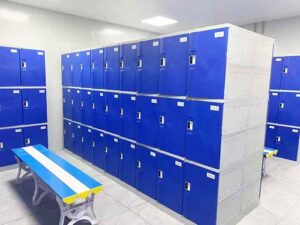
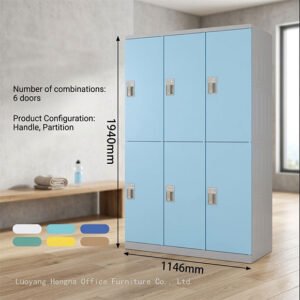
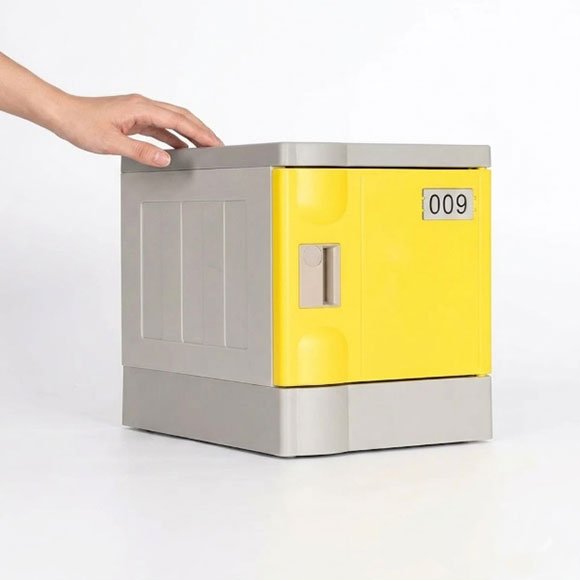
ABS plastic lockers include built-in louvered vents in every door as standard. These vents allow continuous passive airflow between the locker interior and the room. A damp towel inside a vented ABS locker dries slowly instead of stewing. The relative humidity inside the locker typically drops from above 90 percent to around 60 to 70 percent within two hours ??below the threshold where bacteria multiply rapidly.
Equally important: ABS has a non-porous, smooth surface. There are no rust pits for bacteria to embed in. A quick wipe removes essentially all surface residue. The material itself does not off-gas VOCs as it ages. And the plastic does not absorb odors the way painted steel does.
What Gym Owners Report After Switching to ABS
A chain of hot yoga studios in the United States replaced their steel lockers with ABS in early 2025. Within the first month, the studio managers reported three changes:
- Member complaints about locker room odor dropped to zero ??down from an average of 2 per week across their locations.
- The facilities team reduced daily locker room cleaning time by 40 minutes because wipe-downs were faster and more effective on the smooth ABS surface.
- The locker room was noticeably quieter during classes. ABS doors close with a soft thud rather than a metal clang that echoes into the practice space.
Quick Fixes vs Permanent Solutions
If replacing lockers is not in the immediate budget, here is what helps in the short term:
- Install stick-on dehumidifier packs inside each locker ??replace monthly.
- Increase air circulation in the locker room with floor fans directed at locker banks.
- Run a commercial dehumidifier in the locker room during peak hours.
But these are band-aids. The permanent fix is lockers that do not trap moisture and do not rust. ABS plastic lockers solve both problems at the material level.
Frequently Asked Questions
Can I drill ventilation holes into existing steel lockers?
Technically yes, but it creates new problems. Drilling through powder-coated steel exposes raw metal edges that will rust. The holes also compromise the locker’s structural rigidity and security. It is a short-term fix that accelerates long-term deterioration.
Do ABS lockers cost more than steel gym lockers?
ABS lockers are typically priced at or slightly below mid-range powder-coated steel lockers. When you factor in the eliminated maintenance ??no rust treatment, no repainting, no door replacements ??the total cost of ownership is significantly lower over a 5-year period or longer.
What colors are available for ABS gym lockers?
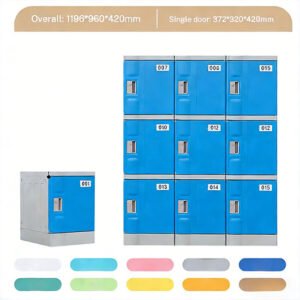
ABS locker doors and bodies are available in 12 standard colors including grey, blue, green, yellow, beige, white, and orange. Custom colors are available for orders of 100 doors or more. The color is molded through the material ??scratches do not reveal a different color.